
Tempo Training Deep Dive:
Tempo Training Deep Dive:
Why 2-5-2-0 Builds Strength You Can’t Fake
Tempo training isn’t magic. But it does force something most people avoid: control under tension. Let’s break down the tempo I have prescribed during this phase: 2 seconds down – 5-second pause – 2 seconds up – 0 rest. This isn’t random. Each phase has a specific physiological purpose backed by research.
The Eccentric (2 Seconds Down): Controlled Load = More Mechanical Tension
The eccentric phase (lowering the weight) is where a lot of adaptation starts. Research shows: slower eccentrics increase time under tension, which can enhance hypertrophy stimulus (Wilk). Muscles can produce greater force during eccentric actions, increasing total tension (Azevedo).
But here’s the key: you’re not going slow for the sake of slow. You’re controlling the load. That’s the difference between training and just moving weight.
The 5-Second Pause: Eliminating the Stretch Reflex
This is where your tempo becomes powerful. When you pause, you eliminate the stretch-shortening cycle (the natural “bounce”), remove stored elastic energy, and force pure force production from a dead stop. That means no momentum, no cheating, and no hiding weak positions. This is what builds starting strength and positional control.
Pause or isometric contractions are a vital component in human movement and performance. These are muscles that help postural control by resisting internal and external forces on the body (Mills).
The Concentric (2 Seconds Up): Controlled Force Output
Most people rush this part of the lift, and yes, there are benefits to moving fast here. But here’s what research suggests:
Faster concentric reps may improve neural adaptations and max strength.
Slower, controlled reps still effectively build hypertrophy when volume is matched (Wilk).
So what are we doing here? We’re not trying to be explosive during this phase. We’re trying to be intentional. You’re applying force without losing position.
0 Seconds at the Top: Continuous Tension
No reset for the wicked here. These sets done right will truly be wicked. No breaks. This matters because keeping tension:
Increases metabolic stress (a driver of hypertrophy)
Extends the stimulus without increasing load
Tempo directly increases total time under tension, which is one of the variables influencing adaptation alongside volume and intensity.
Total Time Under Tension
Let’s do the math: during this phase, you will spend a total of 9 seconds per rep and 54 seconds per set under tension. This falls right into the range often associated with hypertrophy-focused training (FitnessRac). Now, this is important for many reasons. Whether you are trying to get stronger, lose weight, or just “tone up,” building a little muscle a few times a year will help.
Hypertrophy training offers several benefits depending on your goals. For strength gain, building muscle size creates a stronger foundation for producing force and improving performance. For weight loss, increased muscle mass helps boost metabolism so your body burns more calories throughout the day. For those looking to “tone up,” hypertrophy training helps develop lean muscle and improve body composition, creating a more defined and athletic appearance.
Important Reality Check
Here’s the truth most won’t tell you: tempo alone doesn’t guarantee growth. Research shows similar hypertrophy can occur across different rep speeds when volume is equal (TTrening). So why use tempo? Because it improves the execution of your lifts, consistency in your technique, and increases the quality of each rep. These focus points can help clean up a lot of issues in your training.
When to Use This Tempo
The best ways to implement tempo training would be in hypertrophy phases, technique work to help fix weak positions, and to break plateaus. They are not ideal for max strength or explosive power work. Knowing how, when, and where to implement different types of training is key to success.
Coach Craig Takeaway
Tempo is not magic, but it forces discipline, and discipline in training is what creates results.
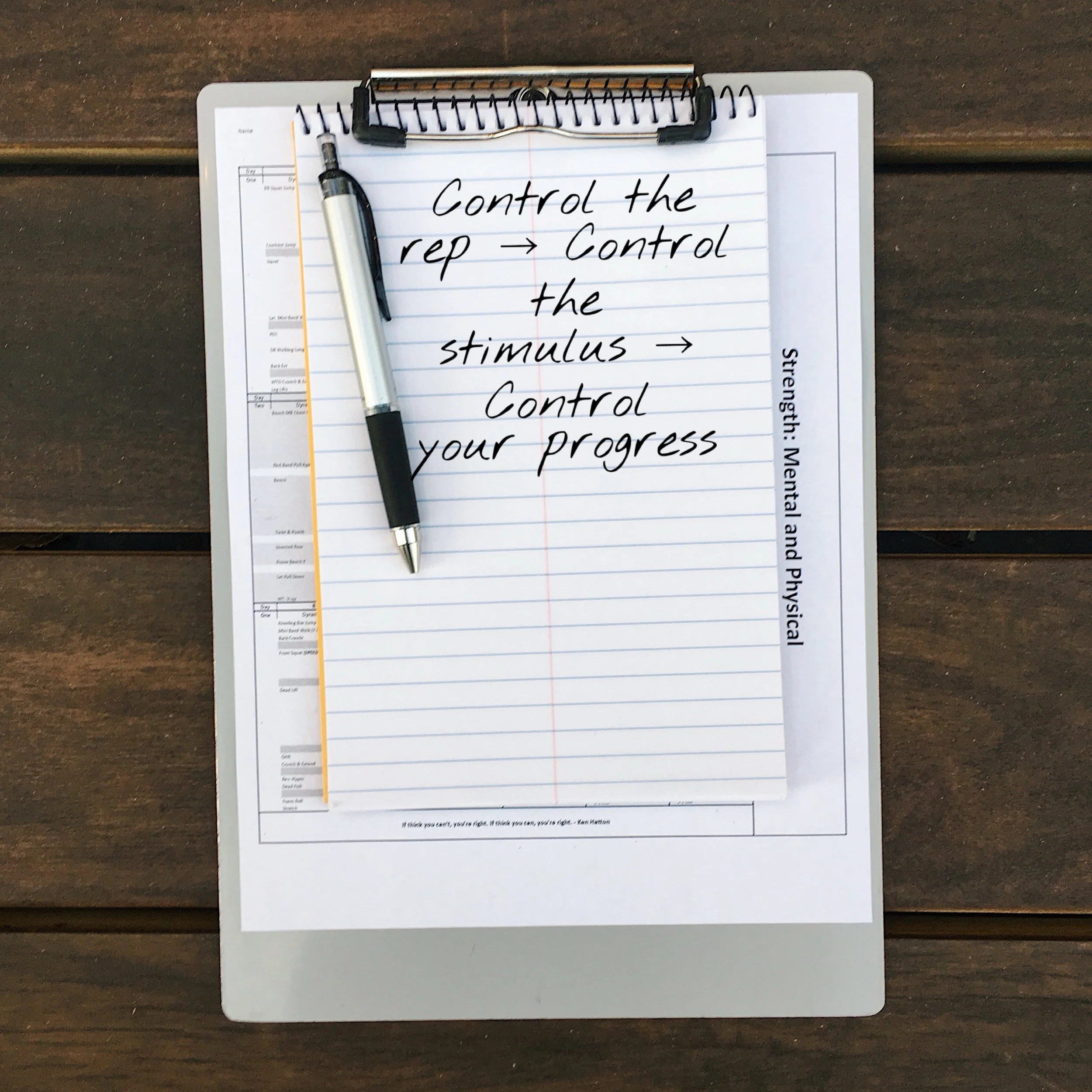
Control the rep → Control the stimulus → Control your progress
REFERENCES
Wilk, M., Zajac, A. & Tufano, J.J. The Influence of Movement Tempo During Resistance Training on Muscular Strength and Hypertrophy Responses: A Review. Sports Med 51, 1629–1650 (2021).
Movement Tempo & Strength/Hypertrophy Review
Azevedo, Paulo H S M et al. “Effect of different eccentric tempos on hypertrophy and strength of the lower limbs.” Biology of sport vol. 39,2 (2022): 443-449
Eccentric Tempo and Muscle Growth Study
Kojic, Filip et al. “The effects of eccentric phase tempo in squats on hypertrophy, strength, and contractile properties of the quadriceps femoris muscle.” Frontiers in physiology vol. 15 1531926. 9 Jan. 2025, doi:10.3389/fphys.2024.1531926
Effects of Tempo on Muscle Adaptations (Review)
Fitas A, Miras-Moreno S, Oliveira JH, et al. Bench-Press Performed With a Velocity- and Tempo-Based Approach: Are There Differences in Volume Load, Time Under Tension, and Metabolic Demands? Sports Health: A Multidisciplinary Approach. 2026;0(0)
Tempo vs Velocity-Based Training (2026 Study)
Mills, A. “ISOMETRIC EXERCISES: EXAMPLES, BENEFITS, AND APPLICATIONS”